
Quarry
AG — Quarry Aggregate Plant
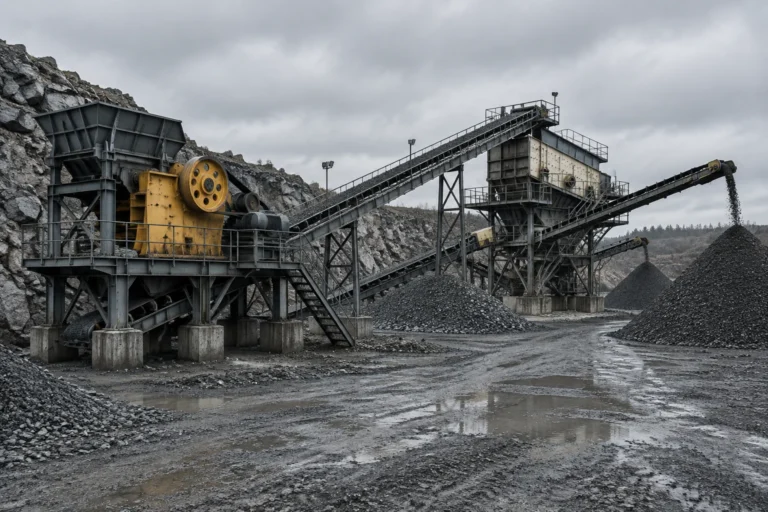
A 250 t/h quarry line producing three EN 12620 products, with the screen cut points fixed before the cone is sized.
- Rated
- 250 t/h
- First set
- 14 weeks
Hard rock crushing, from sample to signed sheet — Sheffield
Ridgecast designs, builds and commissions crushing, screening and conveying plants for hard-rock mines and quarries. Capacity is calculated from your rock, not quoted from a catalogue: no sample, no number.

400 t/h
Rated open-pit circuit
16 weeks
First-set lead time
280 MPa
Hardest rock we design for
1 set
Of drawings, frozen and signed
01Circuits
An open-pit plant, an underground transfer station and a quarry line are three different design problems. Each circuit states the capacity it was rated at and the rock that rating was calculated on.
Quarry
A 250 t/h quarry line producing three EN 12620 products, with the screen cut points fixed before the cone is sized.
Open pit
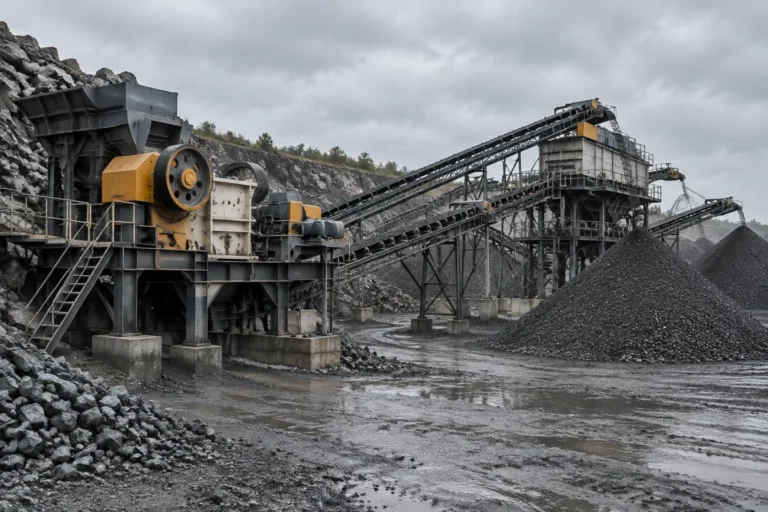
A 400 t/h open-pit circuit with primary crushing at the pit edge and secondary screening in one steel tower.
Underground
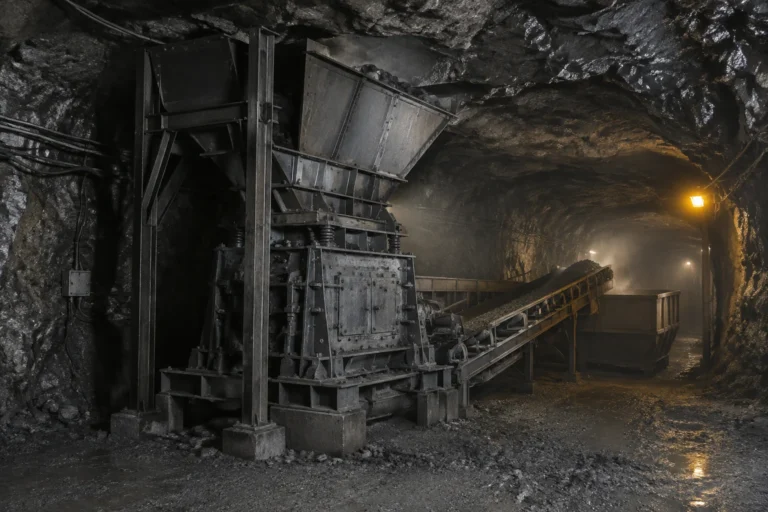
A 180 t/h transfer station designed to the roadway cross-section, inside 4.2 m of clear height.
02Machines
Units are listed by the stage they work in, with the drawing number parts are ordered against and the range each one was sized for.
03Services
Three stages: before the steel, on the pad, and for the life of the pit. Each one states what the mine has to provide and what is signed at the end.
Before the steel
The balance sheet that fixes every number downstream, run from the mine's own sample before any steel is cut.
15 working days for the first balance
For the life of the pit
Wear parts and relines against the original drawing number, forecast from the commissioning baseline.
3 weeks ex-works on stock items; drawn-to-order parts quoted per item
On the pad
Erection supervision and first-ore commissioning, ending in one signed sheet rather than a handshake.
8–12 weeks on site, depending on the circuit
04Method
This is the routine the design service runs, in the order it runs it. What comes out of the last step is what the steelwork is cut to.
Circuit Design and Mass BalanceLog the sample: where it came from, how it was taken, how much of it there is. A balance from an unrepresentative sample is worse than no balance.
Crushability and abrasion index on the submitted rock, plus the 200 kg particle-size distribution.
Build the flow sheet: every stream, every cut point, every circulating load.
Size the machines against the balance and list the steelwork that carries them.
Issue, date and lock the revision. Changes after this point are revisions, not conversations.
05Field notes
Quoting, selection, wear and site work: the four places where a plant goes wrong before it is built.
A price without a sample, a product split, a setting and a scope boundary is not a quote — it is a range wide…
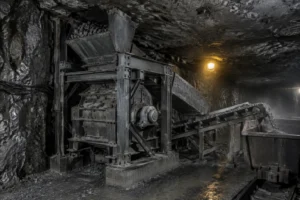
A transfer station inside 4.2 m of clear height is a transport and assembly problem before it is a crushing problem — and the…
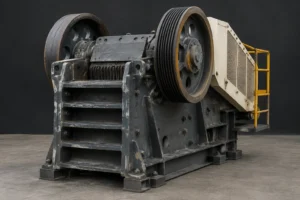
A description fits several machines and some of them will not close. The drawing number is the only identifier that carries tooth profile, thickness,…
06The works
Quotations, drawings and wear-part orders come off the same site, which is why a question about a liner can be answered against the drawing it was cut from.
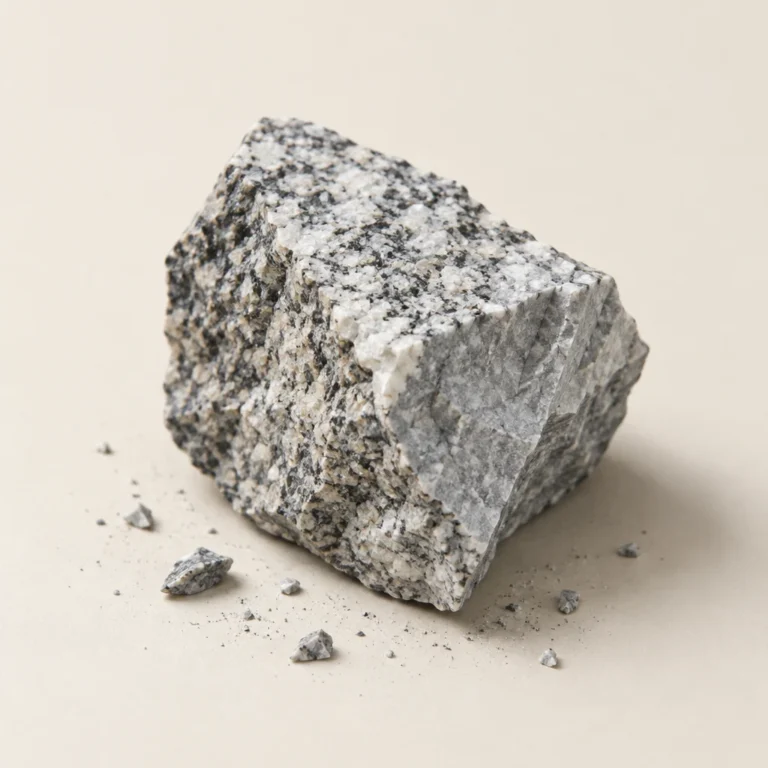

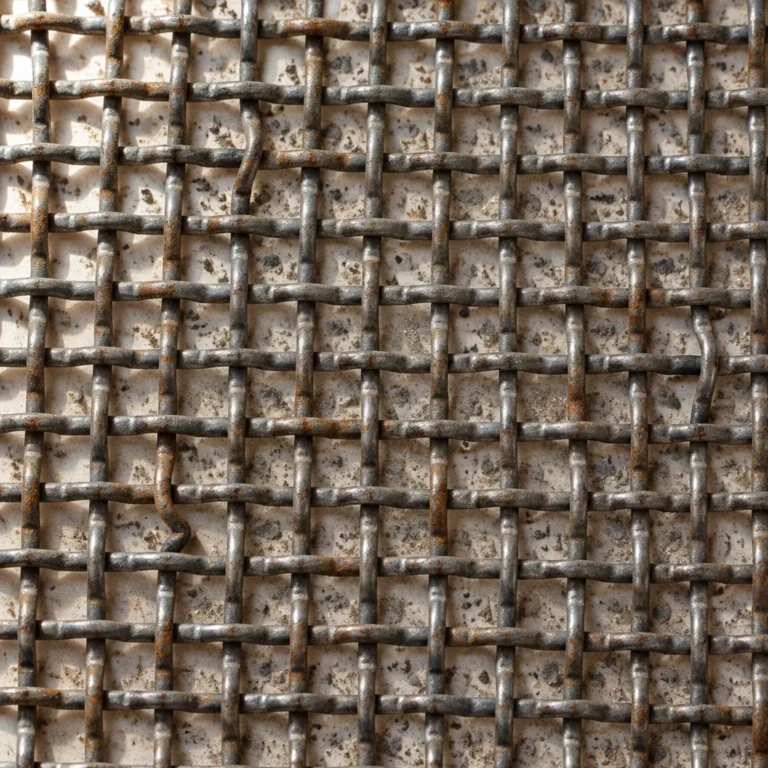
A 200 kg sample and the product list you want to sell is enough for us to price a circuit. Without the sample we will tell you so rather than guess.